
Table of Contents
- Top 10 Signs Your Roof Needs Professional Cleaning
- 1. Missing or Damaged Shingles and Tiles
- 2. Water Stains on Ceilings and Walls
- 3. Visible Granule Loss in Gutters
- 4. Moss, Algae, and Lichen Growth: How to Clean Mould Off Roof
- 5. Sagging or Drooping Roof Deck
- 6. Peeling Paint and Flaking Coating
- 7. Visible Light Through the Roof
- 8. Rising Energy Bills and Poor Ventilation
- When to Call a Professional vs. DIY Approaches
- Preventative Maintenance Schedule
- Frequently Asked Questions
Last Updated: September 21, 2026
Top 10 Signs Your Roof Needs Professional Cleaning
Your roof is one of your home’s most important assets, yet many homeowners don’t realise when it’s time for professional attention. Understanding the key warning signs that your roof needs professional cleaning can save you thousands in structural damage and extend your roof’s lifespan significantly. Understanding the key warning signs that your roof needs professional cleaning can save you thousands in structural damage and extend your roof’s lifespan significantly.
The difference between a roof that needs professional cleaning and one that needs replacement often comes down to timing. Catching problems early means you can address them with professional roof restoration rather than full replacement. Below, we’ll walk you through the 10 most critical signs that indicate your roof needs professional cleaning, along with what each one means for your property.
1. Missing or Damaged Shingles and Tiles
Missing or visibly damaged shingles and tiles are among the most obvious signs your roof needs professional attention. When shingles curl, crack, or go missing entirely, water infiltration becomes inevitable. These gaps expose the underlayment beneath, allowing moisture to seep into your home’s structure.
Damaged shingles often result from weathering, UV exposure, or poor installation. You might notice shingles that are bent, torn, or have lost their protective granules. On tile roofs, look for cracked or broken tiles that no longer sit flush with their neighbours.
The real danger isn’t just the missing piece itself. It’s what happens next. Water finds its way into the roof deck, the framing underneath, and eventually into your attic and walls. Professional roof restoration addresses both the visible damage and the underlying moisture issues.
Professional assessment is crucial here because damage might extend beyond what you can see from the ground. A trade-licensed professional can identify compromised areas and recommend whether cleaning and sealing will suffice or if replacement is necessary.
2. Water Stains on Ceilings and Walls
Water stains on your interior ceilings or walls are a red flag that your roof isn’t performing as it should. These stains indicate water has already penetrated your roof structure and made its way inside. By the time you see them, the problem has progressed beyond simple surface contamination.
Stains typically appear as brown or yellowish marks that may expand over time. They suggest active water infiltration or a history of moisture damage. The stain itself is just the visible symptom, underneath, mould spores may be developing and structural materials may be deteriorating.
What makes this sign particularly concerning is the speed at which damage can spread. Moisture trapped in walls and ceiling cavities creates ideal conditions for mould growth, which poses health risks to your household. Addressing the roof source quickly prevents exponential damage costs.
Professional roof cleaning combined with proper ventilation assessment helps identify whether the issue stems from roof surface contamination affecting water runoff or from actual structural leaks. Either way, professional intervention prevents the stain from becoming a structural emergency.
3. Visible Granule Loss in Gutters
Finding a significant accumulation of dark granules in your gutters is a sign your roof’s protective layer is deteriorating. Asphalt shingles are coated with granules that protect them from UV damage and weather exposure. When these granules wash away, the underlying asphalt becomes vulnerable to rapid degradation.
You’ll notice granules as small, pebble-like particles in your gutters and downpipes. A handful is normal. Large quantities suggest accelerated wear. This loss accelerates the roof’s ageing process and reduces its ability to shed water effectively.
Granule loss often accompanies other roof problems. It’s rarely the only issue present. When you spot this sign, it’s worth having a professional assessment to determine whether cleaning and maintenance will extend your roof’s life or whether replacement is approaching.
The cost of professional roof cleaning is typically far less than premature roof replacement. Addressing granule loss early through proper maintenance can add years to your roof’s serviceable life.
4. Moss, Algae, and Lichen Growth: How to Clean Mould Off Roof
Moss, algae, and lichen growth on your roof isn’t just a cosmetic problem. These organisms trap moisture against your roof surface, accelerating deterioration and creating conditions for water infiltration. What appears as green or black streaks is actually living growth that damages your roof while it spreads.
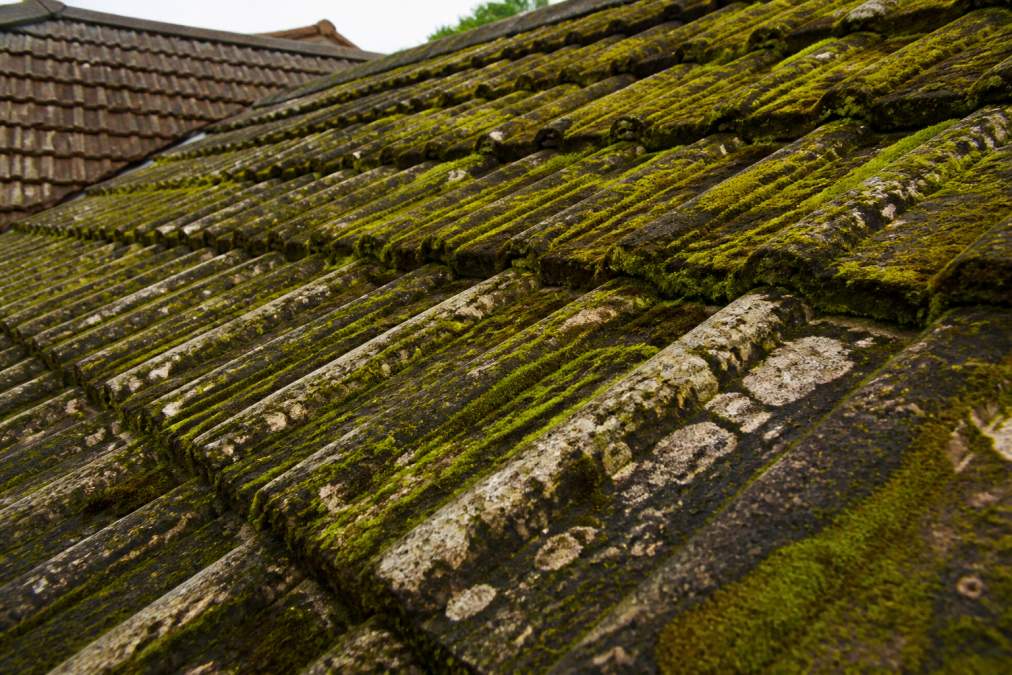
Algae streaks typically appear as dark lines running down your roof, following the path of water runoff. Moss grows thicker in shaded areas where moisture lingers. Both trap water against the roof surface, preventing proper drying and creating the perfect environment for mould spores to develop.
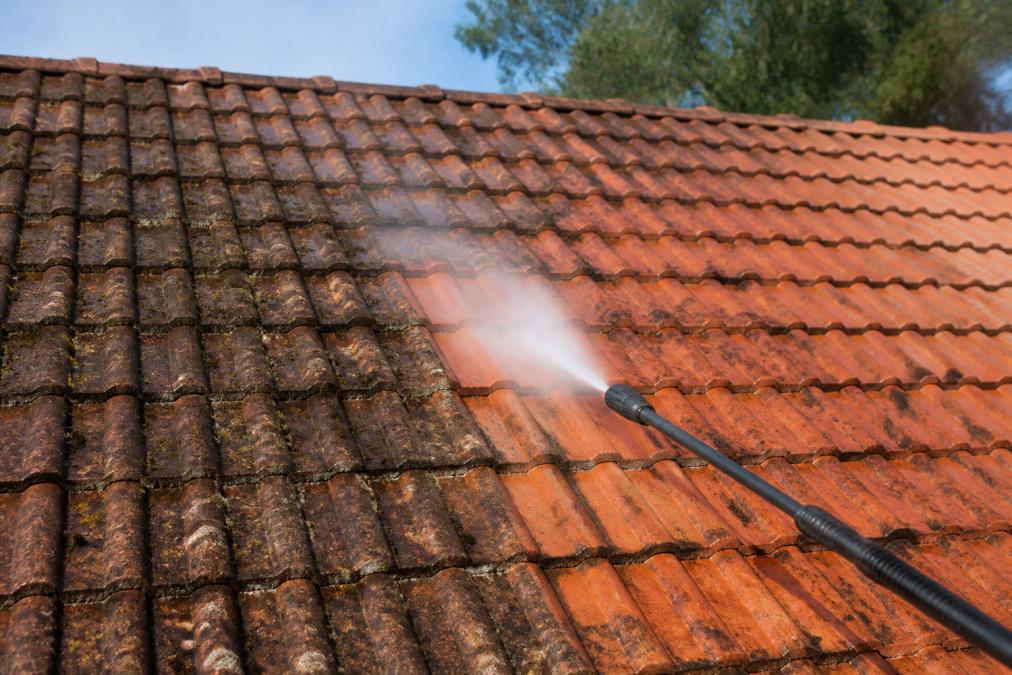
Professional roof cleaning removes this biological growth safely. DIY pressure washing often damages shingles or tiles by using excessive force. Soft washing, a technique using biodegradable cleaning solutions and low-pressure application, removes the growth without harming your roof materials.
How to clean mould off roof properly requires understanding the difference between surface cleaning and deep restoration.
5. Sagging or Drooping Roof Deck
A sagging or drooping roof deck is a serious structural issue that demands immediate professional assessment. This sign indicates the roof framing has weakened, typically from prolonged water damage, rot, or inadequate support. It’s not a cleaning problem, it’s a structural emergency.
6. Peeling Paint and Flaking Coating
Peeling paint or flaking protective coatings on your roof surface indicate moisture problems beneath. Paint and coatings fail when water penetrates from underneath or when moisture is trapped between the coating and the roof material. This peeling is your roof’s way of signalling that it can’t manage the moisture load.
7. Visible Light Through the Roof
If you can see daylight coming through your roof from the attic, you have active structural damage. This is beyond the scope of professional cleaning, it indicates holes or severe gaps in your roof structure. Visible light means water, insects, and weather are entering your home directly.
8. Rising Energy Bills and Poor Ventilation
Rising energy bills can indicate roof ventilation problems. When your roof lacks proper ventilation, heat builds up in your attic during summer and moisture accumulates during winter. Both scenarios force your heating and cooling systems to work harder, increasing energy consumption.
When to Call a Professional vs. DIY Approaches
Understanding which roof problems you can safely assess yourself versus which require immediate professional intervention is critical for both your safety and your roof’s integrity. Not all warning signs demand the same response, and knowing the difference can save you money while preventing costly mistakes.
Safe DIY Inspections
- Visual inspection from ground level: You can safely observe your roofline for obvious missing shingles, visible sagging, or large debris accumulation from a safe distance using binoculars. This requires no roof access.
- Interior attic inspection: From inside your attic on a dry day, you can look for water stains on framing, visible light penetration, mould growth, or signs of pest damage. Wear a dust mask and avoid disturbing insulation.
- Gutter inspection from a ladder: Standing on a stable ladder (not on the roof), you can safely inspect gutters for granule accumulation, debris, and signs of water overflow. This is a low-risk assessment.
- Photographic documentation: Taking photos of any concerning areas from ground level and sharing them with a professional helps them prioritise their assessment.
When to Call a Professional Immediately
- Sagging or drooping roof deck: This indicates structural compromise and potential collapse risk. Do not attempt to inspect this yourself; contact a licensed structural engineer or roof specialist immediately.
- Visible light through the roof from the attic: Active holes or severe gaps require professional repair assessment. Do not attempt to seal these yourself, as improper work can trap moisture and worsen damage.
- Active water stains appearing or expanding: If stains are growing or appearing after rain, the leak is active. Professional diagnosis is needed to locate the source, which is rarely obvious from visual inspection alone.
- Mould growth visible in the attic or on framing: Mould indicates prolonged moisture problems. Professional assessment determines whether the issue stems from roof leaks, ventilation failure, or condensation, each requiring different solutions.
- Any roof access requiring fall protection: If you cannot safely reach an area without climbing onto the roof itself, do not attempt it. Falls from roofs are a leading cause of serious home injuries.
Why DIY Pressure Washing Is Risky
The Cost-Benefit of Professional Assessment
Preventative Maintenance Schedule
Regular maintenance prevents most of these warning signs from developing. A preventative approach includes:
- Annual roof inspections to catch problems early
- Clearing gutters and roof debris quarterly
- Professional cleaning every 2-3 years to prevent biological growth
- Addressing water stains immediately before they spread
- Ensuring roof ventilation remains unobstructed
Frequently Asked Questions
How often should a roof be professionally cleaned to prevent mould?
Most roofs benefit from professional cleaning every 12 to 24 months, depending on climate and surrounding vegetation. Properties in humid areas or near trees may need more frequent attention to prevent algae and mould growth. Regular roof maintenance extends the lifespan of your roof and prevents costly water infiltration damage. A professional assessment can determine the right schedule for your specific property.
Is professional roof cleaning worth the cost compared to DIY cleaning?
Professional roof cleaning is worth the investment because it prevents costly structural damage, extends roof lifespan, and ensures safe access to heights. DIY cleaning with rental equipment risks personal injury, roof damage, and incomplete mould removal that returns within months. Professionals use appropriate techniques, soft washing for delicate tiles, proper drainage assessment, and biodegradable solutions, that DIY methods cannot replicate safely.
Can high-pressure washing damage my roof tiles?
High-pressure washing can damage roof tiles, especially older asphalt shingles and clay tiles, by dislodging granules, cracking tiles, and forcing water under the underlayment. Soft washing is the safer alternative for most residential roofs, using low-pressure water combined with biodegradable cleaning solutions to remove mould and algae without structural damage. A professional assessment determines whether your roof can tolerate pressure washing or requires soft washing instead.
What’s the difference between soft washing and pressure washing for roof cleaning?
Soft washing uses low-pressure water (below 100 PSI) with biodegradable cleaning solutions to safely remove mould, algae, and lichen without damaging tiles or shingles. Pressure washing applies high-pressure jets (1500+ PSI) suitable only for concrete and hardy surfaces, risking damage to roof materials. Soft washing is gentler on delicate roof surfaces and provides longer-lasting results because it kills biological growth at the source rather than just blasting debris away.
